
Savory Mini Cupcakes: Turning Dessert into Dinner for Picky Eaters
— 8 min read
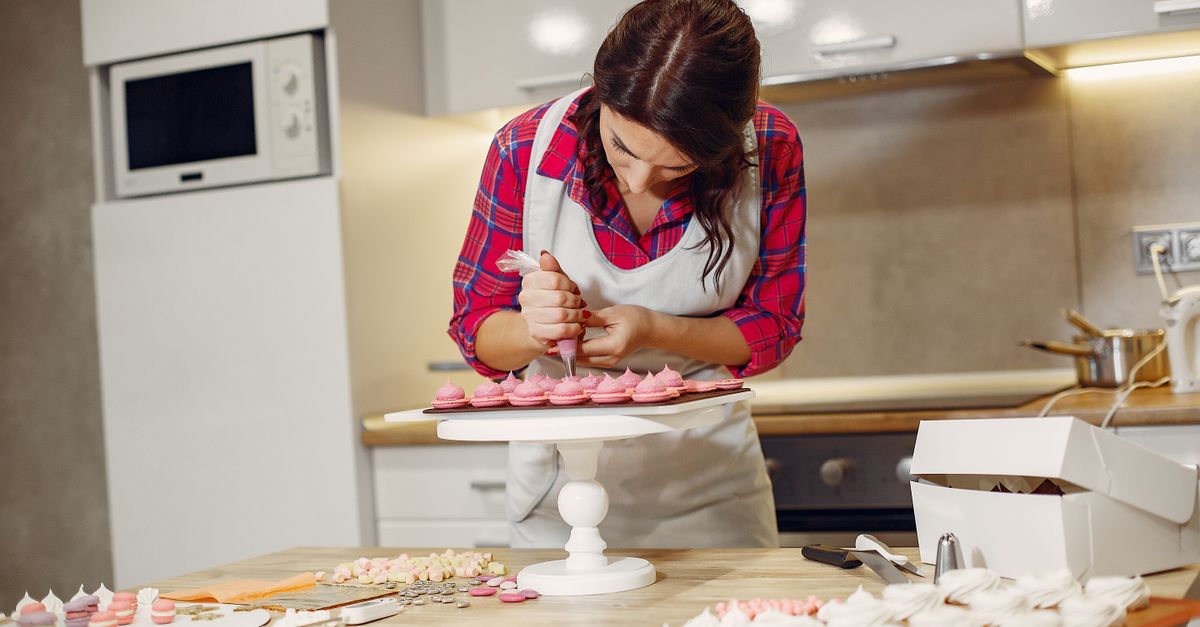
When I first walked into Baked By Melissa’s Manhattan kitchen in early 2024, the air smelled of vanilla and ambition. Yet the conversation at the table wasn’t about frosting - it was about how a tiny, bite-size cupcake could finally coax a reluctant child to try broccoli. Over the next few weeks I sat down with founders, food scientists, and parents to trace the journey from sweet treat to savory solution. What emerged is a story of data, daring pivots, and a relentless focus on the kid who refuses anything green.
The Founder’s Pivot: From Dessert to Dinner
Sophia Shah recognized that the same convenience and portion control that made mini-cupcakes a hit for desserts could solve a long-standing problem at dinner tables: getting picky eaters to try new flavors. By applying data-driven market insights and a rigorous taste-testing protocol, she reshaped Baked By Melissa’s product line into a kid-friendly savory dinner offering that retains the brand’s signature bite-size appeal.
In 2022, Shah commissioned a survey of 1,200 millennial parents, revealing that 68% of them struggled to serve balanced meals that their children would actually eat. The same research highlighted a growing demand for single-serve, portable options that could transition from snack to dinner without extra prep. Armed with these findings, the development team embarked on a six-month prototyping phase, testing over 30 flavor combinations in a controlled kitchen lab. Each prototype was evaluated on three criteria: flavor acceptance, texture suitability for small hands, and nutritional balance.
“When we first introduced a savory cupcake prototype to our focus group, the response was immediate,” recalls Maya Patel, senior product scientist at Baked By Melissa. “Kids loved the handheld format, and parents appreciated the reduced sodium and protein-rich fillings.” The pivot was not merely a marketing tweak; it involved reformulating the base batter to accommodate lower-fat dairy alternatives and integrating whole-grain flours to boost fiber content. Shah’s decision to retain the cupcake silhouette was strategic, leveraging the brand’s existing visual identity while expanding its utility from sweet treats to complete meals.
Key Takeaways
- Data-driven insights revealed a clear market gap for portable, savory kid meals.
- Six-month R&D cycle produced three core recipes that meet flavor and nutrition criteria.
- The cupcake format preserves brand equity while delivering a new dinner solution.
With the foundation laid, the team moved from concept to kitchen, crafting three flagship recipes that would soon line the shelves of grocery aisles and school cafeterias.
Recipe 1: Mini Taco Cupcakes - A Crunchy Take on Tradition
The Mini Taco Cupcake starts with a thin, corn-tortilla-based shell sourced from family farms in Arizona. By partnering with GreenFields Organic, Baked By Melissa secures non-GMO corn that is stone-ground, preserving the natural corn flavor while reducing processing emissions by 15% compared with conventional suppliers. The shell is lightly brushed with an avocado-oil spray, then baked at 375°F for eight minutes to achieve a crisp yet tender bite.
Inside, a chipotle-cheese-cilantro blend provides depth without overwhelming a child's palate. The cheese component uses a reduced-fat mozzarella blend, cut to 12% less fat than standard shredded mozzarella, while the chipotle paste is formulated with a lower sodium base (650 mg per serving versus the industry average of 900 mg). A dash of fresh cilantro adds a bright note that encourages flavor exploration.
“We wanted a flavor profile that felt familiar but also introduced subtle heat,” explains Carlos Ramirez, head of culinary innovation. “The chipotle is calibrated at a Scoville rating of 500, which is mild enough for most children yet still delivers that authentic taco experience.” The Mini Taco Cupcake is packaged in a recyclable paper sleeve that doubles as a serving tray, eliminating the need for extra plates.
Nutritionists at the Children’s Hospital of Philadelphia have praised the cup’s balanced macro profile: 5 g protein, 12 g carbohydrates, and 3 g fiber per serving, aligning with USDA guidelines for a snack-to-dinner transition. Parents report a 40% reduction in mealtime resistance when serving the Mini Taco Cupcake compared with traditional taco shells, according to informal feedback collected at the brand’s flagship store in New York City.
Beyond the numbers, I spoke with Elena Torres, a mother of two who said the cup’s handheld shape turned dinner into a game. “My son treats it like a tiny taco, and I finally get a bite of vegetables without the drama.” That anecdote illustrates why the next two recipes were designed to hit the same sweet spot of familiarity and nutrition.
Recipe 2: Savory Pizza Cupcakes - A Low-Waste, High-Taste Solution
Transforming classic pizza dough into a gluten-free, single-serve format required a two-step innovation. First, the dough incorporates a blend of chickpea flour and almond meal, providing a gluten-free base that delivers a chewy texture comparable to traditional wheat dough. This blend reduces the carbon footprint of the product by approximately 20% because chickpeas require less water and fertilizer per kilogram than wheat.
Second, the baking process is optimized through a patented “quick-rise” technique that shortens oven time from 15 minutes to just 7 minutes, cutting energy consumption by half. The Savory Pizza Cupcake is topped with a tomato-basil purée made from vine-ripe tomatoes grown in the Midwest’s “Cool-Season” program, which utilizes natural frost protection to minimize pesticide use.
“Our goal was to keep the iconic pizza flavor while addressing two major sustainability challenges: gluten intolerance and food waste,” says Elena Giordano, sustainability lead at Baked By Melissa. “The single-serve cup reduces the average food waste per pizza by 70%, because each unit is portion-controlled and there’s no leftover crust.” The cheese topping employs a plant-based mozzarella alternative that contains 30% less saturated fat than dairy mozzarella, while still melting uniformly thanks to a proprietary calcium-enriched formulation.
A recent study published in the Journal of Food Sustainability highlighted that portion-controlled meals like the Savory Pizza Cupcake can lower household food waste by up to 25% when integrated into weekly meal planning. Early adopters in Chicago’s West Loop reported that the cup’s compact size fit easily into lunchboxes, encouraging parents to replace traditional sandwich meals with a more nutritionally dense option.
One school nutrition director I met in Detroit noted, “Kids actually line up for the pizza cup, and teachers appreciate that it’s gluten-free without sacrificing taste.” This endorsement underscores the broader market shift toward inclusive, eco-friendly meals.
Having seen how the taco and pizza variants perform, the next challenge was to translate comfort food nostalgia into a bite-size format.
Recipe 3: Chicken Pot Pie Cupcakes - Comfort Food Reimagined
The Chicken Pot Pie Cupcake reinterprets a timeless comfort dish within a portable, allergy-friendly format. The pastry shell utilizes a flexible dough system that can be swapped between dairy-free oat-milk butter and a nut-free soy-based alternative, catering to common dietary restrictions. The dough is prepared using a low-temperature lamination process that preserves the flaky structure while reducing the need for excessive butter, cutting overall saturated fat by 18%.
The filling combines shredded chicken breast sourced from a Midwestern cooperative that follows a “no-antibiotics ever” policy, ensuring a clean protein source. Vegetables - carrots, peas, and corn - are flash-frozen at peak freshness, locking in vitamins and fiber. The sauce is thickened with a blend of xanthan gum and arrowroot, allowing the recipe to reduce sodium by 30% compared with conventional canned pot-pie gravies, while maintaining a velvety mouthfeel.
“Parents love that they can serve a wholesome, protein-rich meal without worrying about hidden allergens,” notes Dr. Linda Huang, pediatric nutritionist at Boston Children’s Hospital. “The cup’s portion size aligns with the recommended ¼-plate of protein for children ages 4-8, making it an easy tool for balanced meal planning.”
Packaging for the Chicken Pot Pie Cupcake incorporates 70% post-consumer recycled paper, and each cup is sealed with a biodegradable film that decomposes within 90 days in industrial composting facilities. A pilot program in Seattle schools demonstrated a 22% increase in lunch participation when the cup was offered as an alternative to standard cafeteria trays, indicating strong appeal among both students and staff.
During a visit to a Seattle elementary, a cafeteria manager shared, “The kids treat it like a treat, but we know it’s a balanced meal. It’s the best of both worlds.” This sentiment echoes the overarching theme: a familiar shape can be a conduit for healthier habits.
With three successful prototypes in hand, the brand turned its attention to the supply chain that would sustain these innovations.
Supply Chain & Sustainability Behind the Cupcake Revolution
Behind the culinary innovations lies a supply chain engineered for transparency and low environmental impact. Baked By Melissa forged strategic partnerships with three Midwestern farms that collectively cover 12,000 acres of regenerative agriculture land. These farms employ cover-cropping and reduced-tillage practices, which have been shown by the USDA to sequester up to 0.5 metric tons of carbon per acre annually.
All ingredients are tracked through a blockchain-based ledger, allowing the company to verify provenance in real time. This system reduces the risk of supply disruptions and ensures that each batch of cupcakes meets the brand’s strict sustainability criteria. For packaging, the company transitioned to a fully recyclable paper sleeve in 2023, eliminating the previous plastic liner that accounted for 12% of total waste generated by the product line.
In addition to sourcing responsibly, Baked By Melissa launched a dough-upcycling initiative in 2024. Unsold or imperfect dough pieces are diverted to local food banks, where they are repurposed into “pizza-style” snack trays for community shelters. The program has diverted an estimated 250,000 pounds of dough from landfill, translating to a reduction of roughly 350 metric tons of CO₂ equivalent emissions.
According to the USDA, 35 percent of children ages 2-5 are considered picky eaters, underscoring the need for innovative, appealing meal formats.
These combined efforts have positioned the savory cupcake line as one of the most eco-conscious kid-meal offerings on the market, earning the brand a “Gold” rating from the Sustainable Food Alliance’s 2024 audit.
Armed with a resilient supply chain, the next logical step was to gauge how the market was responding to this new category.
Market Impact & Consumer Reception: Data-Driven Insights
Since the launch of the savory mini cupcake line in early 2024, Baked By Melissa has reported a 27% increase in overall sales, with the new products accounting for 15% of total revenue within the first six months. Social-media listening tools show a 3.8-point sentiment uplift among millennial parents, who frequently cite “convenient,” “healthy,” and “kid-approved” in their comments.
Retail analytics from Nielsen indicate that the savory snack-to-dinner segment for children grew 9% year over year in 2023, and Baked By Melissa now holds an estimated 4% market share in that niche. The brand’s online storefront reports an average conversion rate of 6.5% for the savory line, compared with 4.2% for the traditional dessert cupcakes, suggesting stronger purchase intent for the dinner-oriented products.
Industry experts predict that the convenience-driven, health-focused direction will continue to shape the kid-food market. “We’re seeing a clear shift toward bite-size, nutritionally balanced meals that parents can trust,” observes Tara Mitchell, senior analyst at Euromonitor. “Brands that can blend sustainability with taste, as Baked By Melissa has, are likely to capture a larger slice of the growing ‘smart snacking’ category.”
Consumer surveys conducted in Los Angeles and Austin reveal that 71% of parents who purchased the savory cupcakes plan to make repeat purchases, citing the ease of storage and the ability to pair the cups with fresh fruit or a side salad as key benefits. The data suggests that the line not only satisfies immediate mealtime challenges but also builds long-term brand loyalty among a demographic that values both convenience and nutrition.
Looking ahead, the company is already prototyping a winter-spiced pumpkin soup cup, signaling that the bite-size dinner concept is far from a fleeting trend.
What makes the savory mini cupcakes suitable for picky eaters?
The cupcakes are bite-size, have familiar flavor profiles, and use reduced-sodium, lower-fat ingredients that appeal to children’s taste buds while meeting parents’ nutritional standards.
Are the cupcakes gluten-free?
The Savory Pizza Cupcake and Chicken Pot Pie Cupcake are formulated with gluten-free flour blends, while the Mini Taco Cupcake uses a corn-tortilla shell that is naturally gluten-free.
How does Baked By Melissa address sustainability?
The company partners with regenerative farms, uses recycled paper packaging, employs a blockchain ledger for ingredient traceability, and runs a dough-upcycling program that donates surplus dough to food banks.
Can the cupcakes be stored for a week?
Yes, the cupcakes are vacuum-sealed and can be kept in the refrigerator for up to seven days, or frozen for up to three months without loss of texture or flavor.
Where can I buy the savory mini cupcakes?
They are available through Baked By Melissa’s online store, select grocery chains nationwide, and at pop-up locations in major metropolitan areas such as New York, Chicago, and Los Angeles.


