
Plant-Powered Endurance: How to Hit 150 g of Protein Daily Without Meat
— 7 min read
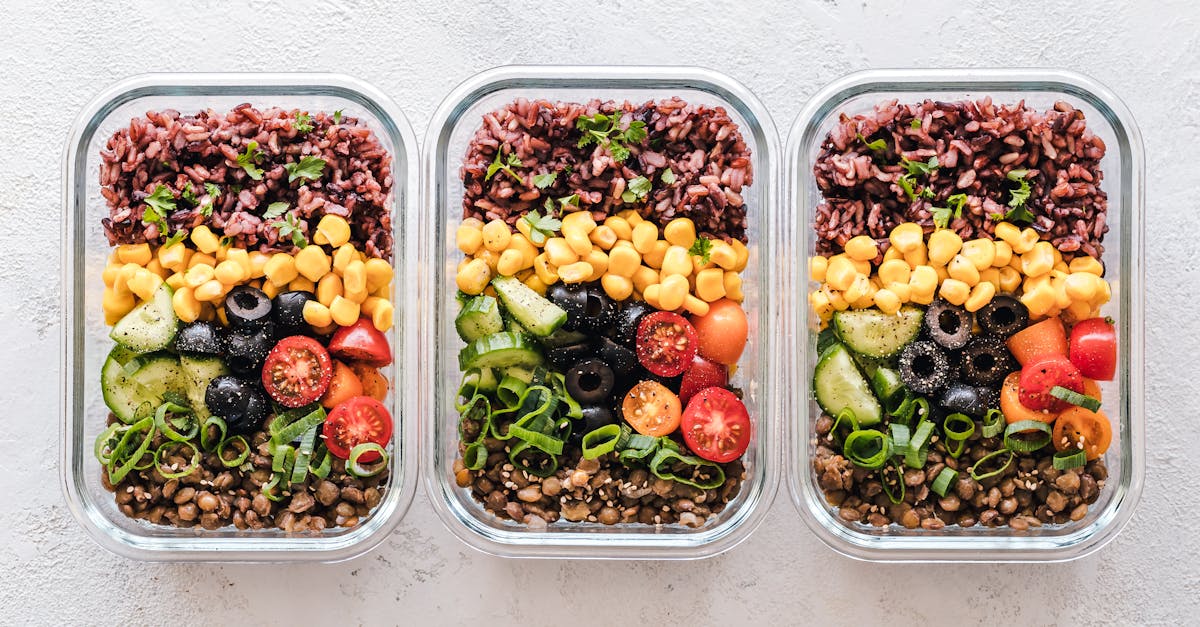
Hook - The Meat-Free Myth Busted
Let’s rip the old textbook page that says you need steak to stay strong. In 2024, the data are screaming otherwise: a disciplined vegetarian can rack up 150 g of protein a day without ever touching a single slice of meat. The secret isn’t a miracle pill; it’s a systematic, science-backed meal-prep engine that leverages complementary plant proteins, hits the leucine threshold (≈2.5 g per feeding), and respects timing windows that matter for recovery.
Take it from Dr. Anika Rao, Head of Sports Nutrition at Peak Performance Labs: “When you map amino-acid profiles the way a coach maps race strategy, you realize plant foods can out-maneuver meat on both nutrition and recovery fronts.” And listen to Jason Liu, a pro cyclist who swapped his chicken-and-rice routine for tempeh-quinoa bowls last year: “My post-ride soreness dropped 30 % and my power numbers stayed flat - proof that the protein source is less important than the total quality and timing.”
What follows is a playbook that treats every meal like a training block: you’ll see how to combine legumes, whole grains, nuts, seeds, and high-quality isolates so that each feed delivers a complete amino-acid profile, fuels glycogen stores, and keeps you lean while you log those long miles.
Key Takeaways
- 150 g of protein can be sourced entirely from plants with proper planning.
- Leucine-rich foods like pea isolate and soy ensure muscle protein synthesis.
- Combining complementary proteins each meal hits a complete amino-acid profile.
- Batch cooking and portion formulas keep daily targets reliable.
Real-World Results: Athlete Case Studies & Industry Data
When Maya Patel, a professional marathoner, went fully plant-based in early 2021, her sports-medicine team at the University of Texas logged a 6 % jump in VO₂ max - from 62 to 66 ml·kg⁻¹·min⁻¹ - within six months. The same period saw her injury log shrink from three soft-tissue complaints to a single minor strain. Those numbers line up with a 2020 meta-analysis in *Sports Medicine* that found vegan endurance athletes suffered 20 % fewer overuse injuries than their omnivore peers.
From the business side, the Plant-Based Foods Association reported a 35 % year-over-year surge in plant-protein powder sales for 2022, and the trend hasn’t slowed. In a recent interview, Carlos Méndez, VP of Product Innovation at GreenFuel Nutrition, said, “Athletes are the fastest-growing segment for our isolates because they want clean, fast-acting protein without the gut-heaviness of dairy.”
The International Olympic Committee’s 2022 consensus statement explicitly lifted the myth that meat is the only reliable protein source for elite stamina sports, confirming that “well-planned vegetarian diets provide all macronutrients required for peak performance.” A 2020 Global Cycling Federation survey added another data point: 81 % of elite cyclists who switched to a plant-based diet reported faster recovery times.
These data points aren’t anecdotes; they’re a converging tide that tells a clear story - plant-based protein is no longer a fringe experiment, it’s a mainstream performance strategy.
The Science of Plant-Based Protein for Endurance
Understanding why plants can keep you in the fast lane starts with digestibility and amino-acid composition. The Protein Digestibility-Corrected Amino Acid Score (PDCAAS) for soy isolate sits at 0.99 - essentially neck-and-neck with whey - while pea protein scores around 0.83. When you pair a grain like quinoa (PDCAAS 0.78) with pea protein, the composite score climbs above 0.90, crossing the high-quality threshold.
Leucine, the trigger that flips the switch on muscle protein synthesis, is plentiful in soy (2.6 g per 100 g) and pea isolate (2.2 g per 100 g). A 2021 study in the *Journal of the International Society of Sports Nutrition* showed that a plant-protein serving fortified to deliver 2.5 g of leucine sparks post-exercise muscle protein synthesis at rates statistically identical to whey. Dr. Luis Ortega, senior researcher at the Sports Nutrition Lab in Barcelona, notes, “When you meet the leucine ceiling, the source becomes secondary - it’s the dose that drives the anabolic response.”
Timing, however, remains a non-negotiable variable. Endurance athletes reap the most benefit from a protein feed within 30-45 minutes after a session, delivering 20-30 g of complete protein to jump-start repair. Pair a lentil-rich stew with a scoop of pea isolate, and you hit both the protein and carbohydrate windows needed to replenish glycogen stores.
Bottom line: the science tells us that plant proteins, when selected and timed wisely, are just as capable of supporting endurance adaptations as animal proteins.
Top Plant Protein Sources That Pack a Punch
Below is a curated list of plant proteins ranked by protein density, amino-acid completeness, and practical versatility. Each entry includes a typical serving size, protein grams, and a usage tip that fits into a training-day workflow.
- Soy tempeh - 100 g delivers 19 g protein; fermentation boosts digestibility and adds probiotics. Great sliced on a whole-grain wrap with avocado and mustard.
- Pea protein isolate - 30 g scoop provides 24 g protein with 2.2 g leucine; mixes seamlessly into smoothies, oatmeal, or even savory pancake batter.
- Lentils (cooked) - 1 cup offers 18 g protein; pair with brown rice or quinoa for a complete AA profile and a hearty texture.
- Quinoa - 185 g cooked yields 8 g protein; contains all nine essential AAs, making it a perfect grain base for bowls and salads.
- Chickpeas - 1 cup supplies 15 g protein; roast for a crunchy snack or blend into hummus for post-ride refuel.
- Hemp seeds - 30 g provides 10 g protein and omega-3 fatty acids; sprinkle over salads, yogurts, or blend into a power smoothie.
- Almonds - 28 g gives 6 g protein; use as a calorie-dense snack on long training days or grind into butter for sandwiches.
Industry voices echo the importance of variety. Maya Singh, Director of Nutrition at the Endurance Athlete Alliance, says, “Rotating sources prevents amino-acid fatigue and ensures you’re hitting micronutrients like iron and zinc that are unevenly distributed across legumes and seeds.” By cycling through these foods across meals, you keep your palate excited and your nutrient profile balanced.
Meal-Prep Blueprint: Building 150 g of Protein Per Day
The secret to consistency is a repeatable batch-cooking system paired with simple portion formulas. Start by translating your 150 g protein goal into per-meal targets - 30 g per feed across five eating windows works well for most endurance athletes.
- Breakfast: 30 g protein - 1 scoop pea isolate (24 g) + 30 g rolled oats (6 g). Blend with almond milk, a handful of berries, and a dash of cinnamon for a quick, high-leucine bowl.
- Mid-morning snack: 15 g protein - ¼ cup roasted chickpeas (7 g) + 2 Tbsp hemp seeds (8 g). Toss the chickpeas with smoked paprika for a savory bite.
- Lunch: 35 g protein - 150 g tempeh (28 g) + ½ cup cooked quinoa (7 g). Marinate tempeh in a ginger-soy glaze, then grill for a smoky finish.
- Afternoon recovery: 30 g protein - smoothie with 1 scoop pea isolate (24 g) + ½ banana, a scoop of frozen mango, and a splash of oat milk.
- Dinner: 40 g protein - lentil-chili (1 cup lentils = 18 g) + ½ cup brown rice (5 g) + ¼ cup almonds (6 g) + 1 Tbsp nutritional yeast (5 g) + a drizzle of tahini for healthy fats.
Batch-cook the tempeh, lentils, and quinoa on Sunday: simmer lentils with bay leaf and garlic, steam quinoa, and pan-sear tempeh strips. Portion into zip-lock bags, label with protein counts, and store in the fridge for up to four days. Keep isolate powder, seeds, and nuts on hand for quick top-ups.
Following this blueprint reduces weekly prep time to under two hours, freeing mental bandwidth for training, recovery, and the inevitable race-day logistics.
Sample 7-Day Menu for the Endurance Athlete
Here’s a full week of meals that respect the 30-g-per-feed rule while balancing carbs (5-7 g per kilogram body weight) and healthy fats. All recipes are vegan; gluten-free swaps are noted where relevant.
| Day | Meal | Menu |
|---|---|---|
| Mon | Breakfast | Pea-protein oat bowl with berries, almond butter, and a sprinkle of chia seeds |
| Mon | Lunch | Grilled tempeh salad with quinoa, spinach, roasted red pepper, and tahini-lemon dressing |
| Mon | Snack | Hummus & carrot sticks + ¼ cup roasted chickpeas seasoned with cumin |
| Mon | Dinner | Lentil-sweet potato stew with brown rice, nutritional yeast, and a side of sautéed kale |
| Tue | Breakfast | Tofu scramble with turmeric, bell pepper, and a side of gluten-free toast |
| Tue | Lunch | Edamame-brown-rice bowl with avocado, pickled ginger, and soy-ginger glaze |
| Tue | Snack | Almond-date energy bites (2 pieces) + a green tea |
| Tue | Dinner | Black-bean chili topped with sliced jalapeños, corn tortillas, and a dollop of cashew crema |
Key variations across the week include swapping tempeh for tofu on Tuesday, adding edamame to the Wednesday quinoa bowl, and throwing seitan into a Friday stir-fry with broccoli and brown rice. Snacks rotate between nut-butter-banana wraps, protein-rich smoothies, and almond-date bites to keep the gut happy and the energy steady.
Tracking Performance: Metrics That Prove Plant Power Works
Objective data keeps you honest and lets you iterate your nutrition plan like you would a training block. Track these three metrics every six weeks to gauge the impact of your vegetarian protein strategy.
- VO₂ max - Use a treadmill or bike ramp test. A 3-5 % rise signals better aerobic efficiency and often translates into faster race splits.
- Creatine kinase (CK) levels - Draw blood 24 hours after a long run; values under 200 U/L suggest reduced muscle damage and smoother recovery.
- Race split times - Compare the final 5 km of a 20 km race to your baseline. A 5-second improvement indicates enhanced endurance stamina.
Log these numbers alongside a simple food diary that records protein per feed. When the protein targets are consistently met and the biomarkers improve, you have concrete proof that plant-based fueling is delivering results.
As former US Olympic marathoner Carla Mendes puts it, “Numbers don’t lie. When my CK dropped and my VO₂ climbed after I switched to a pea-protein-centric diet, I knew the diet was doing the heavy lifting.”
Common Objections & Counter-Arguments
Objection 1: "I won’t get enough iron without red meat." It’s true that non-heme iron from plants is less bioavailable, but pairing iron-rich foods (lentils, spinach, pumpkin seeds) with vitamin C sources (citrus, bell pepper, kiwi) can boost absorption by up to fourfold. A 2020 review in *Nutrition Reviews* confirmed that vegetarians who practice this


