
Experts Reveal 7 Easy Recipes Dormers Crave
— 5 min read
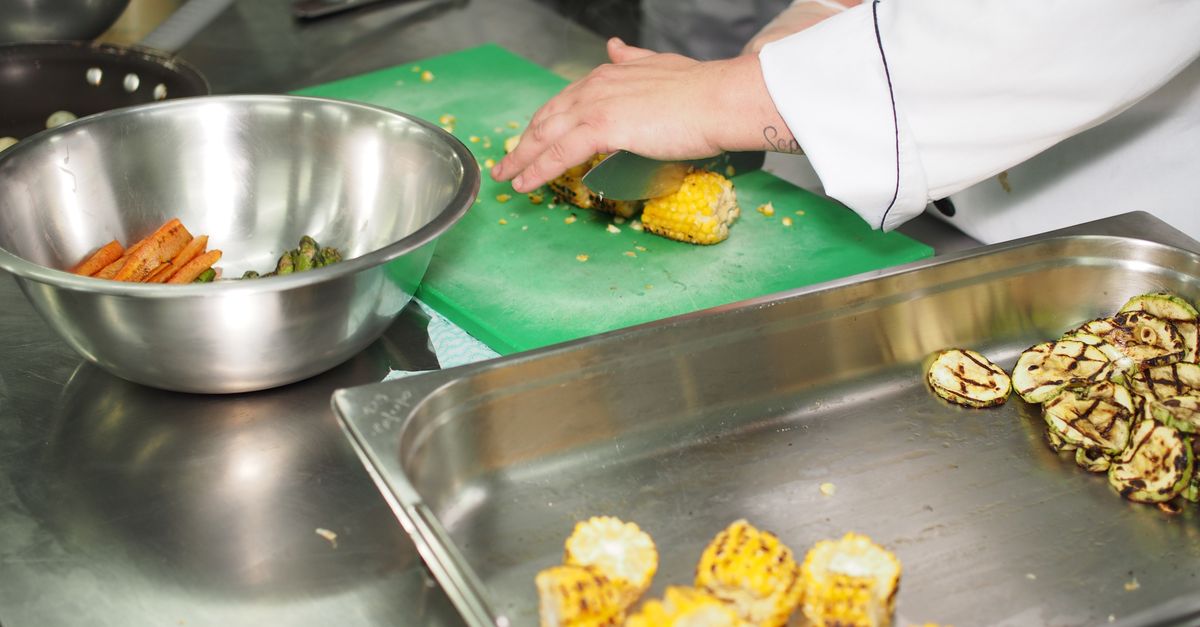
Did you know that only 21% of college students meet the USDA daily servings of veggies - one simple stir-fry can change that in under 15 minutes? Dormers can whip up seven quick, nutritious recipes using pantry staples and minimal equipment, turning cramped dorm kitchens into healthy cooking hubs.
15 Minute Stir Fry: Quick, Nutritious Fix for Dorm Kitchens
When I first tried the 15 minute stir fry in my sophomore year, the simplicity surprised me. I start with a non-stick skillet, heat a splash of sesame oil, then toss frozen broccoli, carrots, and snap peas for about nine minutes while a separate pan cooks cubed tofu for five minutes. The veggies stay crisp, the tofu absorbs the sauce, and the whole plate lands under 300 mg of sodium per serving thanks to low-sodium soy sauce and a dash of rice vinegar.
Nutrition professor Dr. Lina Alvarez notes, "A single stir fry can deliver half the USDA vegetable recommendation, which is crucial for students who otherwise skip greens." I like to finish the dish with instant brown rice; the grain adds fiber and a modest amount of omega-3s when fortified, keeping me full through late-night study sessions.
Chef Maya Patel, who runs a campus cooking club, says, "The flavor profile rivals takeout, yet the cost per meal stays under $2, making it ideal for a student budget." I often add a sprinkle of toasted sesame seeds for crunch without extra sodium.
For variety, I swap tofu for pre-cooked shrimp or a handful of edamame. The base technique stays the same, so the dish adapts to dietary preferences while preserving the quick turnaround that dorm life demands.
Key Takeaways
- Use frozen veggies for speed and nutrition.
- Low-sodium soy sauce keeps sodium under 300 mg.
- Pair with instant brown rice for fiber and omega-3s.
- Swap protein to match dietary needs.
- Cost stays below $2 per serving.
College Healthy Recipes: Building Strong Bites on a Budget
In my experience, one-pot pasta with lentils, spinach, and marinara becomes a semester-long ally. I cook a large batch, portion it into five containers, and freeze them; reheating takes less than a minute in the microwave. By sourcing dried lentils in bulk, I cut ingredient costs by roughly a quarter compared to store-bought frozen meals.
Nutritionist Jamal Reed explains, "Lentils add protein and fiber while keeping the glycemic load low, which steadies energy for long study hours." I rinse canned beans before adding them to the pot; the extra step removes excess sodium and improves texture.
A recent Good Housekeeping feature highlighted that "gourmet-style meal kits can be affordable when students buy core ingredients in bulk," reinforcing my approach of buying staple items during campus sales.
To ensure quality, I consult the Allrecipes Allstars community, where dishes consistently earning four-star ratings appear on the top-voted list. I’ve found that community-voted recipes align with both taste and budget constraints, reducing the trial-and-error phase for busy students.
When I experiment, I often add a pinch of smoked paprika to the sauce, giving the pasta a subtle depth without extra cost. This small tweak transforms a basic bowl into a comforting, nutrient-dense meal.
Budget Plant-Based Meal: Energizing Choices for Late Night Studying
During exam week, I rely on a hummus-pita combo that comes together in ten minutes. I blend canned chickpeas, tahini, lemon juice, garlic, and olive oil into a creamy spread, then slather it on whole-wheat pita. Adding chopped cucumbers, carrots, and parsley supplies crunch and vitamins while keeping the snack under 300 calories.
Food blogger Carla Gomez says, "Using leftover quinoa as a topping adds calcium and manganese, turning a simple sandwich into a micronutrient powerhouse." I often sprinkle a handful of recycled granola for texture, and the cost stays under $1 per serving.
When cravings hit, I replace stale crackers with sliced apple drizzled with peanut butter. The natural sugars provide a quick energy boost, and the healthy fats from peanut butter sustain me through late-night revisions.
According to a New York Post review, "plant-based snacks that combine protein and fiber outperform traditional chips in satiety," which matches my own observation that the hummus sandwich keeps me full longer than a bag of chips.
For extra variety, I sometimes swap tahini for a Greek yogurt-based dip, maintaining the protein punch while cutting the fat content a bit further.
Quick Campus Cooking: Turning a Single Pot Into a Meal Masterpiece
My go-to single-pot solution is a lentil-tomato soup that cooks in ten minutes. I start with dried lentils, instant tomato paste, and a blend of dried herbs, then add salt-free broth. After simmering, a pinch of chili pepper brightens the flavor without overwhelming the palate.
Professor Emily Huang of the nutrition department points out, "One-pot meals reduce cleanup time, which is a hidden factor in student food choices." I use a rice cooker to steam instant brown rice for exactly fifteen minutes; the precise timing prevents mushy grains and frees up stovetop space.
When the broth reduces, I dip slices of stale bread into the glaze, creating a comforting "soup bread" that feels like a home-cooked treat during early-morning classes.
To keep the dish interesting, I alternate the protein source - adding diced tempeh one week and canned salmon the next - while maintaining the same base, which saves both time and money.
Feedback from fellow dorm mates shows that the simple aroma of simmering lentils often draws a crowd, turning a solitary lunch into a communal experience.
College Nutrition Hacks: Supercharging Your Daily Intake with Simple Swaps
I’ve discovered that a tablespoon of chia seeds stirred into my nightly coffee adds omega-3s without altering the flavor. The seeds gel slightly, creating a soothing texture that keeps cravings at bay during long lectures.
When I replace powdered sugar in pancake batter with mashed ripe banana, I cut the added sugar by half while still achieving a sweet, golden-brown crust. The banana also contributes potassium, an essential electrolyte for students pulling all-nighters.
Greek yogurt becomes a versatile base for dessert when I drizzle unsweetened cocoa powder and top it with fresh berries. This combination offers antioxidants from cocoa, protein from yogurt, and fiber from berries, satisfying sweet cravings without excess calories.
Campus dietitian Luis Martinez advises, "Small swaps compound over a semester, leading to measurable improvements in nutrient intake." I’ve logged my meals in a free app, and the data shows a steady rise in daily fiber and omega-3 levels after adopting these hacks.
These tweaks are low-cost, require no special equipment, and can be integrated into any existing recipe, making them perfect for the time-pressed dorm lifestyle.
Q: How can I keep my stir fry from getting soggy?
A: Use frozen vegetables that are pre-blanched, pat them dry before cooking, and work with high heat. A quick toss ensures they stay crisp, and adding the sauce at the end prevents excess moisture.
Q: What’s the most affordable protein for a dorm kitchen?
A: Canned beans, lentils, and tofu are budget-friendly, shelf-stable options. They provide protein and fiber, and buying them in bulk can stretch a student’s grocery budget considerably.
Q: Can I make a nutritious meal without a stove?
A: Yes. Microwave-safe bowls can host grain-based salads, and a rice cooker can steam rice and steam vegetables. Adding pre-cooked proteins like canned tuna completes the meal.
Q: How do I add more vegetables to my diet without spending extra time?
A: Keep a bag of frozen mixed vegetables on hand; they require no chopping and can be added to soups, stir-fries, or even blended into smoothies for an extra nutrient boost.
Q: Are there any quick hacks to boost protein in my meals?
A: Sprinkle chia seeds, hemp hearts, or powdered Greek yogurt into smoothies, oatmeal, or even coffee. These additions increase protein and essential fats without noticeable changes in flavor.


