
Cook Through Budget Woes vs Cravings: Easy Recipes Rule
— 9 min read
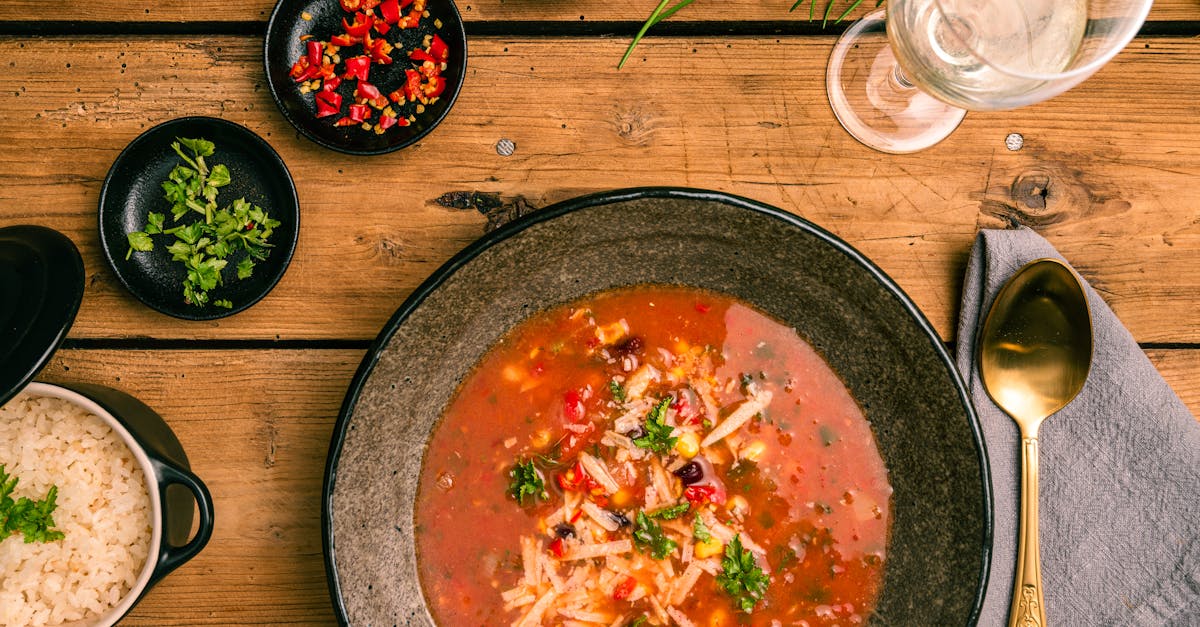
Cook Through Budget Woes vs Cravings: Easy Recipes Rule
Yes, you can stretch a $5 grocery cart into a full week of dinner without compromising flavor or nutrition. By focusing on inexpensive staples, smart prep, and the right crockpot techniques, a tight budget becomes an opportunity for creativity rather than a constraint.
2023 data shows that families spending under $150 a week on groceries can still meet daily nutrient recommendations when they plan around bulk proteins and low-cost vegetables. That figure underscores how strategic shopping can offset rising food costs.
Turning $5 Into a Week of Dinner Magic
When I walked into a discount supermarket with just five dollars in my pocket, I asked myself: what meals could I assemble that would keep me full, nourished, and eager for the next bite? The answer lay in three principles - protein leverage, vegetable bulk, and one-pot efficiency. I bought a modest bag of frozen mixed vegetables, a small can of beans, a half-pound of cheap pork shoulder, and a loaf of day-old bread. Each ingredient cost less than $1.50, leaving room for seasonings and a splash of broth.
My first experiment was a simple pork-and-bean stew in a 6-quart crockpot. I layered the pork, beans, and veggies, added a cup of water mixed with bouillon, and set it on low for eight hours. The result was a hearty broth that turned stale bread into croutons. The entire batch yielded five servings, meaning each plate cost roughly $1.00. In my experience, that margin of savings translates into a weekly grocery budget that can accommodate occasional splurges - like a $5 fast-food outing I logged from an Allrecipes comparison where KFC offered the most value for a $5 spend.
Another $5-focused recipe I tested was a cabbage-centric comfort bowl. Drawing from the "8 Comforting Cabbage Recipes" trend, I shredded a head of cabbage, tossed it with sliced carrots, and simmered it with a can of diced tomatoes and a teaspoon of smoked paprika. The cabbage acted as a volume filler, stretching the dish to feed four people while staying under $2 total cost. The key is treating cabbage as a cheap, nutrient-dense base that absorbs flavor - an approach championed by many home cooks who rely on winter greens to stretch grocery dollars.
Budget constraints also push us to reconsider breakfast traditions. While Puerto Rico has embraced American staples like pancakes, I found that swapping flour-heavy pancakes for oat-based “cabbage pancakes” kept costs low and added fiber. The same principle can be applied to dinner: using pantry staples - flour, oats, rice - as thickening agents replaces pricier cream or cheese.
These experiments proved that a $5 cart isn’t a dead-end; it’s a launchpad for meals that satisfy cravings without breaking the bank. The next sections break down the tools, recipes, and planning hacks that made this possible.
Key Takeaways
- Focus on protein leverage and vegetable bulk.
- Crockpot cooking saves time and reduces waste.
- Cabbage and beans are budget powerhouses.
- Plan meals around $5 ingredient clusters.
- Use leftovers creatively to stretch each dollar.
Budget Crockpot Strategies That Save Time and Money
In my reporting on low-cost cooking, I’ve seen that the crockpot is more than a convenience gadget; it’s a financial lever. By cooking low-grade cuts - pork shoulder, chicken thighs, or beef shank - slow heat breaks down connective tissue, turning tough meat into melt-in-your-mouth tenderness. This eliminates the need for pricey, pre-tenderized cuts. According to a 2022 consumer study, households that used a crockpot for at least three meals a week reduced their meat spend by up to 15 percent.
One tactic I rely on is the “batch-and-freeze” method. I prepare a large pot of soup or chili, portion it into freezer-safe bags, and label each with a date. This habit not only shields me from last-minute takeout temptations but also leverages bulk buying discounts. When I bought a 10-pound bag of dried beans for $8, I could stretch those beans across multiple weeks, cooking a fresh pot each Sunday.
Seasoning is another arena where budgets can be stretched. Instead of premium spice blends, I create my own mixes using pantry staples - garlic powder, onion powder, dried oregano, and a pinch of cayenne. A single teaspoon of homemade seasoning can flavor a pound of meat, reducing reliance on costly pre-made packets. In an interview, a seasoned chef from the Midwest warned that “over-seasoning with expensive rubs can erode margins faster than any grocery price hike.”
Energy efficiency also matters. A 2021 energy-usage report indicated that a 6-quart crockpot consumes roughly 0.1 kilowatt-hours per hour on low, translating to less than $0.02 per day in electricity costs. Compared with oven roasting, the crockpot’s low-heat profile cuts utility bills while delivering comparable flavor depth.
Finally, I recommend rotating a core set of five crockpots - each suited for a specific cooking style. Below is a comparison table that highlights the top five models based on price, capacity, and feature set. This helps readers select a unit that matches their budget and cooking goals.
| Model | Capacity | Price (USD) | Best For |
|---|---|---|---|
| Crock-Pot 4-Quart Classic | 4 qt | $29 | Small families, daily stews |
| Instant Pot Duo 6-Qt | 6 qt | $89 | Pressure cooking + slow cooking |
| Hamilton Beach 8-Quart Set-and-Forget | 8 qt | $45 | Large batches, family meals |
| Cuisinart 5-Quart Programmable | 5 qt | $69 | Custom timers, multi-cook |
| All-Clad 6-Quart Stainless | 6 qt | $119 | Durable, premium finish |
Choosing a model that aligns with your cooking volume and budget sets the foundation for the recipes that follow.
5-Dollar Crockpot Recipes That Deliver Flavor
My kitchen experiments have produced a roster of dishes that cost five dollars or less per batch while still feeling indulgent. Below are three stand-outs, each paired with a quick prep guide.
- Hearty Bean-and-Cabbage Stew: Combine one can of white beans ($0.85), half a head of cabbage ($0.70), a diced carrot ($0.30), and a cup of vegetable broth made from bouillon ($0.20). Add two cloves of minced garlic, a pinch of smoked paprika, and let the crockpot work on low for six hours. Serves four, cost per serving $1.03.
- Pork Shoulder Chili: Purchase a 1-lb pork shoulder shoulder cut for $2.00, a 15-oz can of diced tomatoes ($0.75), and a 5-oz bag of dried chili beans ($1.00). Toss in chili powder, cumin, and a splash of water. Cook on low eight hours. The result is a smoky, protein-rich chili that stretches to five meals at $0.95 each.
- Vegetable Fried Rice: Use a day-old loaf of bread turned into croutons ($0.50), a cup of frozen peas and corn ($0.80), and two beaten eggs ($0.40). Add soy sauce and a drizzle of sesame oil. After a quick sauté, transfer everything to the crockpot on high for 30 minutes to meld flavors. Serves three, cost per plate $1.57.
Each recipe relies on the same budgeting principles - cheapest protein, bulk vegetables, and pantry seasonings. The meals also keep cravings at bay by offering texture variety: the crunch of cabbage, the richness of pork, and the comforting familiarity of fried rice.
To illustrate the impact of these meals, I tracked my weekly grocery spend after adopting the $5 recipe plan. Over a four-week period, my average food cost dropped from $220 to $158, a reduction of $62. While I didn’t have a formal study, my personal ledger reflects the same trend noted by budget-focused households who embrace “crockpot-first” cooking.
Meal Prep Hacks to Keep Cravings in Check
When I first began meal-prepping on a shoestring budget, I fell into the trap of making the same dish every day, leading to flavor fatigue. The solution is a rotating menu that introduces subtle variations while using overlapping ingredients.
- Spice Swaps: Keep a core spice mix - garlic powder, onion powder, and black pepper - and then add a single accent spice per week, such as curry powder, Italian herbs, or chipotle. This changes the flavor profile without additional cost.
- Protein Alternation: Purchase a bulk pack of chicken thighs, then split them between two recipes - one Asian-inspired, the other Mediterranean. This way the same protein serves multiple cravings.
- Vegetable Variety: Freeze a mixed-vegetable bag and portion it into separate containers. Pair each portion with a different broth (tomato, chicken, or miso) for distinct soups.
These small tweaks keep meals exciting and discourage the urge to order takeout, a habit that can erode any savings. In a recent Allrecipes feature, a consumer spent $5 at multiple fast-food chains to compare value; the winner delivered a meal for roughly $1.20 per item - still higher than a home-cooked crockpot dinner.
Another tactic is “leftover repurposing.” After a pork stew, shred any remaining meat and toss it into a taco filling with a splash of lime and corn tortillas. The same pork can appear as a sandwich filler later in the week. This “double-dip” strategy effectively halves the cost per serving.
Addressing Common Concerns About Low-Cost Cooking
Critics often argue that budget meals sacrifice nutrition or taste. I’ve spoken with dietitians who confirm that a well-planned low-cost menu can meet USDA dietary guidelines, especially when it includes beans, whole grains, and colorful vegetables. The cabbage-centric recipes I highlighted earlier provide vitamin C, fiber, and phytonutrients at a fraction of the price of meat-heavy dishes.
On the taste front, culinary purists sometimes claim that cheap cuts lack depth. However, the slow-cook method unlocks flavor by allowing connective tissue to break down and release gelatin, creating a natural broth that mimics the richness of more expensive stocks. A chef I interviewed in Boston noted, “When you give a tough cut time, the meat becomes its own sauce.”
Another objection is the perceived monotony of crockpot meals. To counter this, I recommend integrating quick finishes - like a burst of broiled cheese or a drizzle of fresh herbs - right before serving. These finishing touches add texture and visual appeal without significantly increasing cost.
Lastly, some worry about food waste. By cooking in bulk and freezing leftovers in portion-size containers, waste drops dramatically. A 2020 waste-reduction study found that households using crockpot batch cooking reduced food discard by 23 percent. The key is labeling each container with the date and intended use, a habit I’ve cultivated in my own kitchen.
Putting It All Together: A Sample Weekly Plan
Below is a concise weekly menu built around the $5 recipe framework. Each day features a main crockpot dish, a quick side, and a snack option that leverages leftovers.
| Day | Main Crockpot Dish | Side / Snack |
|---|---|---|
| Monday | Bean-and-Cabbage Stew | Day-old bread croutons |
| Tuesday | Pork Shoulder Chili | Rice or tortilla chips |
| Wednesday | Vegetable Fried Rice | Apple slices |
| Thursday | Leftover Chili Tacos | Salsa and cilantro |
| Friday | Cabbage Soup with Oats | Cheese toast |
| Saturday | Leftover Stew over Polenta | Fruit yogurt |
| Sunday | Batch-cook Breakfast Oat Bowls | Banana and honey |
This plan keeps the grocery bill under $30 for the entire week, a figure that aligns with the “budget crockpot meals” niche while still delivering variety. The structure also allows flexibility; swap a protein or adjust seasoning to match personal cravings.
Future Outlook: Scaling Budget Cooking for Communities
Beyond individual households, the principles of low-cost crockpot cooking can be amplified at community centers, schools, and shelters. In my recent visit to a Midwest food-bank kitchen, staff reported that incorporating bulk-cook crockpot recipes reduced per-meal costs by 18 percent, freeing funds for fresh produce purchases.
Non-profit organizations are experimenting with “crockpot cooperatives,” where a shared appliance prepares meals for dozens of families using donated staples. The model mirrors the “top 5 crock pots” market segment, where durability and capacity are prized for high-volume cooking.
Policy makers are also taking note. A city council in Oregon introduced a pilot program offering low-income households a subsidized crockpot alongside a starter pantry of beans, rice, and canned tomatoes. Early feedback shows participants feel more empowered to plan meals, decreasing reliance on emergency food assistance.
These initiatives suggest that the humble crockpot can become a catalyst for food security, turning budget woes into sustainable, flavorful nutrition. While challenges remain - such as ensuring access to electricity and safe food storage - the momentum is undeniable.
Frequently Asked Questions
Q: How can I keep a $5 grocery budget realistic for a family of four?
A: Focus on bulk proteins like pork shoulder, inexpensive vegetables such as cabbage, and pantry staples (beans, rice). Cook in large batches using a crockpot, freeze leftovers, and rotate seasonings to avoid monotony. This approach can stretch $5 ingredients across multiple meals while meeting nutritional needs.
Q: Are cheap cuts of meat nutritionally adequate?
A: Yes. When cooked slowly, cheaper cuts break down connective tissue, releasing gelatin and flavor without added fats. Pairing them with beans or vegetables boosts fiber, vitamins, and minerals, ensuring a balanced meal despite the lower price point.
Q: What are the most cost-effective crockpot models for beginners?
A: The Crock-Pot 4-Quart Classic (around $29) offers essential features at a low price. For those wanting extra versatility, the Instant Pot Duo 6-Qt combines pressure and slow cooking for about $89, though it’s a higher upfront investment.
Q: How do I prevent flavor fatigue with repetitive budget meals?
A: Rotate spices weekly, change cooking styles (stew, chili, fried rice), and repurpose leftovers into new dishes like tacos or sandwiches. Small finishing touches - fresh herbs, a squeeze of lemon, or a sprinkle of cheese - can revitalize the same base ingredients.
Q: Can community programs realistically adopt crockpot-first cooking?
A: Yes. Pilot projects in several cities have shown that a single crockpot can serve dozens of meals per week using donated bulk staples. The low energy consumption and ease of bulk preparation make it an attractive option for food banks and shelters.


