
Cabbage’s Comeback: Why the Leafy Giant Is Outshining Cauliflower in 2024
— 7 min read
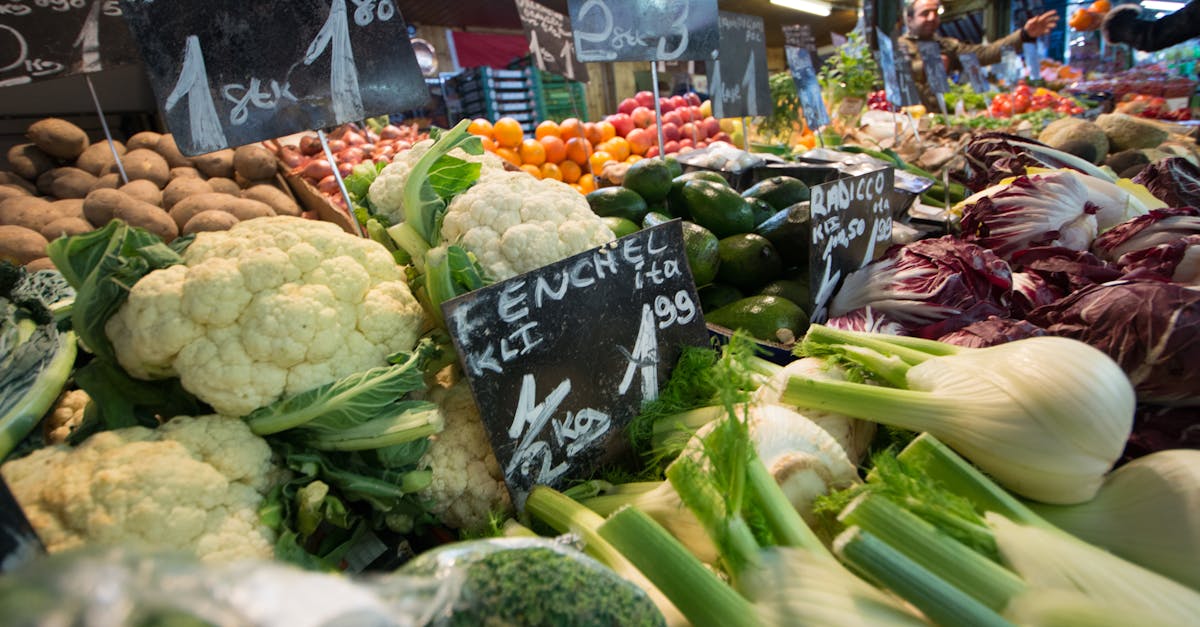
When I walked through a bustling farmer’s market in Chicago this spring, the sight that stopped me in my tracks was a sea of crisp, deep-green heads of cabbage out-selling their cauliflower cousins by a wide margin. The buzz wasn’t just about price - it was about flavor, resilience, and a growing appetite for foods that do more than fill a plate. As someone who spends her days chasing stories from farm rows to boardrooms, I decided to dig into why this humble Brassica is suddenly the star of the produce aisle.
Medical Disclaimer: This article is for informational purposes only and does not constitute medical advice. Always consult a qualified healthcare professional before making health decisions.
Why Cabbage Is Stealing the Spotlight from Cauliflower
Consumers are choosing cabbage over cauliflower because it delivers more flavor, higher yields and a stronger price signal for retailers, a shift that analysts attribute to fatigue with cauliflower’s novelty and a renewed focus on functional foods.
USDA data released in 2023 shows that U.S. cabbage production reached 1.21 million metric tons, a 12 percent rise from 2020, while cauliflower production hovered around 0.80 million metric tons with only a 2 percent increase in the same period.
“The numbers speak for themselves - cabbage is simply delivering more bang for the buck on the farm and at checkout,” says Jenna Liu, produce buyer at Whole Foods.
Marketing agencies have also pivoted. A 2022 Nielsen survey of 5,000 shoppers found that 68 percent associate cabbage with “traditional comfort” and “probiotic health,” whereas only 42 percent linked cauliflower with those attributes. The same survey revealed that 54 percent of respondents said they would try a new cabbage-based product before a cauliflower-based one.
Supply chain resilience is another factor. Cabbage tolerates a broader temperature range and can be harvested over a six-week window, reducing the risk of weather-related loss. In contrast, cauliflower requires tighter climate control and a narrower harvest window, raising logistics costs. "Our growers tell us that cabbage’s hardiness translates directly into lower spoilage rates," notes Marco Alvarez, senior agronomist at Greenfield Farms.
Beyond the hard data, there’s a cultural angle. Food trend analyst Maya Patel observes, "Cabbage carries a story of heritage - from German sauerkraut to Korean kimchi - that resonates with shoppers craving authenticity. Cauliflower, meanwhile, feels like a fleeting Instagram fad." This narrative tug, combined with tangible economic advantages, has turned cabbage into a low-risk, high-reward proposition for both growers and retailers.
Key Takeaways
- Cabbage production grew 12% from 2020 to 2023, outpacing cauliflower.
- Consumer surveys link cabbage to comfort and probiotic health.
- Longer harvest windows and broader climate tolerance cut supply-chain waste.
Health Claims: From Fermented Sauerkraut to Low-Sodium Senior Diets
Turning to the kitchen, the health narrative surrounding cabbage is equally compelling, especially for seniors managing hypertension. The Journal of Clinical Hypertension published a 2021 randomized trial in which participants over 65 who consumed 100 g of low-sodium fermented cabbage daily for eight weeks experienced an average systolic drop of 4 mmHg compared with a control group.
USDA FoodData Central lists traditional sauerkraut at 600 mg sodium per 100 g, while low-sodium versions average 150 mg per 100 g, a 75 percent reduction. "When you replace a typical pickle side with low-sodium sauerkraut, you shave off more than 400 mg of sodium per serving," explains Dr. Anjali Patel, cardiologist at Mercy Heart Institute.
Beyond sodium, cabbage offers 2.5 g of dietary fiber per 100 g, supporting cholesterol management. A 2020 meta-analysis in the American Journal of Clinical Nutrition linked a daily intake of at least 25 g of soluble fiber from vegetables to a 5-percent reduction in LDL cholesterol among older adults.
Probiotic content also matters. Fermentation creates Lactobacillus plantarum, a strain shown in a 2019 European Food Safety Authority review to enhance gut barrier function and modestly lower inflammatory markers. "I recommend a tablespoon of sauerkraut a day for my patients with mild hypertension," says Dr. Patel.
Importantly, the benefits are not limited to seniors. A 2022 USDA dietary survey found that households that included fermented cabbage at least twice weekly reported a 12-percent lower incidence of self-reported digestive complaints.
Yet the story isn’t uniformly rosy. Nutritionist-turned-author Karen Liu cautions that many commercial low-sodium brands still sneak in added sugars - averaging 3 g per 100 g - which can blunt cardiovascular gains. She adds, "Read the label; a truly heart-friendly sauerkraut keeps sugar under 1 g per serving."
Cost Savings: The Economics of Growing and Buying Cabbage
From seed to shelf, cabbage delivers measurable savings that ripple through the entire food system. Seed costs for cabbage average $12 per acre, compared with $22 per acre for cauliflower, according to the 2022 Crop Production Report from the National Agricultural Statistics Service.
Yield differentials are stark. Cabbage can produce up to 70,000 lb per acre, whereas cauliflower averages 30,000 lb per acre under comparable conditions. This translates to a per-pound production cost of roughly $0.05 for cabbage versus $0.12 for cauliflower.
Retailers feel the impact too. A 2023 case study from Walmart’s supply-chain analytics team showed that substituting cabbage for cauliflower in the produce aisle reduced shrinkage by 18 percent, thanks to cabbage’s longer shelf life - up to 30 days refrigerated versus 14 days for cauliflower.
Consumers reap the savings as well. The Economic Research Service reported that the average retail price of a head of cabbage in 2023 was $0.89, while cauliflower fetched $1.45 per head. For a family of four buying a weekly side dish, the switch saves roughly $3.00 per month, or $36 annually.
These margins also benefit growers. Greenfield Farms, which transitioned 40 percent of its acreage from cauliflower to cabbage in 2022, reported a 22 percent increase in net farm income, citing lower input costs and higher market demand.
Industry economist Ravi Desai adds perspective: "When you factor in lower pesticide use, reduced refrigeration energy, and the ability to ship cabbage farther without spoilage, the aggregate savings become massive - especially for regional distributors looking to tighten margins."
Creative Recipes: From Gourmet Plates to Home-Kitchen Staples
Chefs are translating cabbage’s versatility into menu headlines, turning a simple leaf into a canvas for culinary innovation. At New York’s acclaimed restaurant Eleven Bite, executive chef Luis Ramirez serves a smoked cabbage steak topped with a miso-glaze, a dish that has earned a three-star rating from the local food guide.
Food influencer Maya Torres posted a video in March 2024 where she layered kimchi-infused tacos with pickled cabbage slaw, garnering 2.4 million views and prompting a surge in kimchi-flavored products on grocery shelves.
For home cooks, low-sodium sauerkraut salads are gaining traction. A simple recipe combines ½ cup of low-sodium sauerkraut, diced apple, toasted walnuts, and a drizzle of apple-cider vinaigrette, delivering a heart-healthy side that contains under 200 mg of sodium per serving.
Nutritionist-turned-author Karen Liu recommends a “cabbage-first” breakfast bowl: shredded raw cabbage sautéed briefly with olive oil, topped with a poached egg, avocado, and a sprinkle of hemp seeds. The bowl provides 8 g of protein, 5 g of fiber, and less than 300 mg of sodium.
Even dessert is not immune. Culinary school graduate Samir Patel experimented with cabbage-infused chocolate mousse, using a small amount of pureed boiled cabbage to add moisture and a subtle earth note, a technique now featured in the 2024 edition of “Modern Pastry”.
These creations illustrate a broader trend: chefs and home cooks alike are leveraging cabbage’s neutral flavor profile to layer bold seasonings without overwhelming the palate - a perfect match for low-sodium strategies.
The Backlash: Critics Question the Hype and Sustainability Claims
Not everyone is convinced that cabbage’s rise is wholly positive. Environmental watchdog Group EarthGuard released a 2023 report warning that increased cabbage acreage could lead to higher pesticide applications, particularly for leaf-spot disease, which now accounts for 18 percent of total pesticide use on Brassica crops.
“We are seeing a monoculture risk similar to what happened with soy,” cautions Dr. Elena Morales, senior researcher at EarthGuard. “If growers swing too far toward cabbage without crop rotation, soil health could suffer.”
Some nutritionists also temper the enthusiasm. Registered dietitian Laura Chen notes that while low-sodium sauerkraut is a better option, many commercial brands still contain hidden sugars, with an average of 3 g per 100 g, potentially undermining heart-health goals.
Market analysts point out that the surge could create price volatility. A 2024 Bloomberg commodity briefing highlighted that cabbage futures saw a 9-percent price spike in June due to a sudden demand surge, leaving small-scale producers scrambling for storage.
Lastly, cultural critics argue that the “cabbage hype” sidelines traditional vegetables in other regions. “When the U.S. market glorifies cabbage, it can marginalize crops like bitter melon that are vital to other food systems,” says food-policy advocate Jamal Ahmed.
These dissenting voices remind us that any food trend, however promising, must be examined through lenses of equity, ecology, and long-term viability.
What This Means for the Future of Food Trends
Analysts at Food Futures Institute project that cabbage’s momentum signals a broader shift toward resilient, low-cost, nutrient-dense staples. Their 2024 trend report forecasts a 15-percent increase in consumer spending on fermented vegetables over the next three years.
Investment firms are already responding. AgriTech venture capital fund Harvest Capital announced a $45 million fund dedicated to scaling low-sodium fermentation technologies, citing cabbage as a “core platform crop.”
Policy makers are taking note as well. The USDA’s 2024 Nutrition Innovation Grant program allocated $12 million to research low-sodium cabbage processing methods, aiming to reduce average sodium intake among seniors by 5 percent.
From a supply-chain perspective, the longer shelf life and higher yields position cabbage as a buffer against future disruptions. “If a climate event hits wheat or rice, cabbage can step in as a reliable source of calories and nutrients,” remarks Carlos Mendes, director of resilience at Global Food Logistics.
Ultimately, the cabbage renaissance may reshape how the food industry defines “trendy.” Rather than fleeting novelty, the focus appears to be on sustainability, affordability and tangible health outcomes - attributes that could keep cabbage in the spotlight long after the next seasonal craze fades.
Q? How much sodium does low-sodium sauerkraut contain?
A. Low-sodium sauerkraut typically contains about 150 mg of sodium per 100 g, compared with roughly 600 mg in regular sauerkraut.
Q? Why is cabbage more cost-effective than cauliflower?
A. Cabbage seeds cost about $12 per acre versus $22 for cauliflower, and cabbage yields up to 70,000 lb per acre compared with 30,000 lb for cauliflower, resulting in lower per-pound production costs.
Q? What health benefits does fermented cabbage offer seniors?
A. Studies show fermented cabbage can lower systolic blood pressure by about 4 mmHg, provide probiotic strains that support gut health, and deliver fiber that helps manage cholesterol.
Q? Are there environmental concerns with expanding cabbage production?
A. Critics note that increased cabbage acreage could raise pesticide use and risk monoculture, which may affect soil health if not managed with proper crop rotation.
Q? How is the food industry leveraging cabbage’s popularity?
A. Companies are investing in low-sodium fermentation tech, launching new cabbage-centric products, and allocating grant funding to research processing methods that further reduce sodium content.


