
Build Easy Meal Prep Ideas in 10 Minutes
— 7 min read
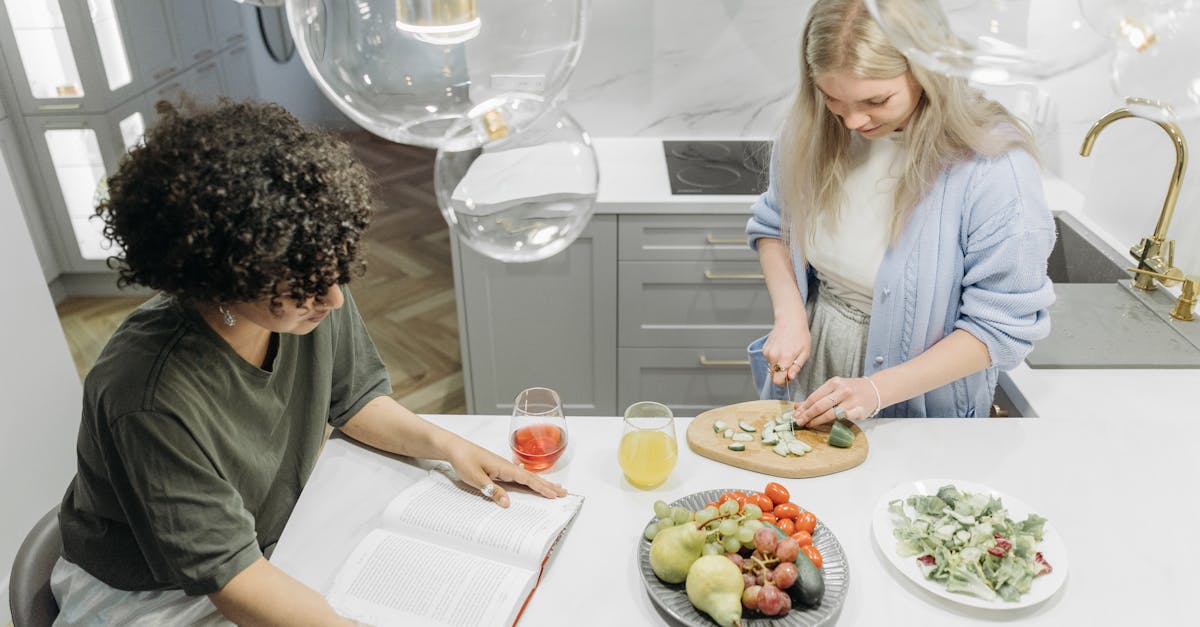
You can build easy meal prep ideas in just 10 minutes by using simple plant-based ingredients and smart organization. With a few tricks, even a dorm kitchen can churn out nutritious lunches that keep you fueled for late-night study sessions.
Master College Meal Prep Ideas in 15 Minutes
When I first moved into my dorm, I felt overwhelmed by the thought of cooking every day. What saved me was a routine that takes about 15 minutes each weekend but covers the whole week. Start by measuring out a bulk batch of quinoa and a can of black beans. Spread the grains and beans into four airtight containers; each container becomes a base that delivers protein, fiber, and complex carbs. I like to add a pinch of cumin and a splash of lime juice to the beans for flavor that holds up in the fridge.
Reusable silicone lids are a game changer. I keep a set that snaps onto each container, and I color-code the lids - blue for breakfast, green for lunch, orange for snacks. This visual cue cuts the time I spend guessing what’s inside, especially when I’m juggling a tight class schedule. Label each container with the day of the week and the main components; the label acts like a mini-menu that reduces decision fatigue.
Plan a short grocery run twice a week during off-peak hours. In my experience, shopping when the store is quiet lets me move quickly through the aisles and avoid impulse buys. Allrecipes highlights cheap pantry staples like canned beans, frozen veggies, and bulk grains that fit perfectly into this system, keeping costs low while still delivering variety.
To make the process even smoother, set a timer for 10-minute intervals while you portion the quinoa and beans. The timer adds a sense of urgency and helps you stay within the 15-minute window. Once the containers are sealed, you have a ready-to-eat foundation for salads, bowls, or wraps that can be customized with fresh toppings each day.
Key Takeaways
- Batch-cook quinoa and beans for a weekly protein base.
- Use silicone lids and color-coded labels to save prep time.
- Shop off-peak to avoid crowds and curb impulse spending.
- Allrecipes offers cheap pantry staples for budget meals.
- Set a timer to keep weekly prep under 15 minutes.
Crafted Plant-Based Lunch Ideas for Dorm Kitchens
When I needed a lunch that felt fresh without a full kitchen, I turned to a lentil-cucumber salad. I start with pre-chopped cucumbers and carrots - store-bought, washed, and ready to go. Cook a cup of lentils in advance; they hold their shape and provide about 15 grams of protein per serving. Toss the veggies and lentils with a lemon-tahini dressing (lemon juice, tahini, a dash of maple syrup, and a pinch of salt). The salad stays crisp for days, and the dressing emulsifies in the fridge, so each bite is creamy and tangy.
Another favorite is a layered quinoa bowl that doesn’t need a pot. I line a container with a base of cooked quinoa, then add diced avocado, roasted chickpeas (I use a bag of pre-roasted chickpeas from the snack aisle), and a spoonful of roasted red pepper sauce. The layering creates different textures - soft quinoa, buttery avocado, crunchy chickpeas - so you never get bored. Because everything is already cooked, you only need to assemble, making it perfect for a quick pack-up.
For a breakfast-turned-lunch, I make overnight oats. In a mason jar, combine rolled oats, chia seeds, almond milk, and a handful of frozen berries. Let it sit in the fridge overnight; in the morning, I microwave for 45 seconds and have a creamy, nutrient-dense bowl. The oats provide sustained energy, while the berries add antioxidants. WIRED praises the convenience of overnight oats for busy students, noting that they eliminate the need for a stove and cut prep time dramatically.
All three ideas share a few common tricks: use pre-chopped or pre-cooked ingredients, keep sauces separate until you’re ready to eat, and pack in containers that double as microwavable dishes. This approach respects the limited counter space in dorms and ensures you can enjoy a varied menu without spending hours in the kitchen.
Easy Plant-Based Lunches that Snap Before Finals
During finals week, I need meals that are fast, filling, and require minimal cleanup. One of my go-to recipes is a spinach-tomato-pine nut wrap. I quickly sauté a handful of fresh spinach, halved cherry tomatoes, and a sprinkle of pine nuts in olive oil - just two minutes on a hot plate. Drizzle with a little balsamic glaze (store-bought works fine) and place the mixture on a whole-wheat tortilla. Fold it up, and you have a fiber-rich wrap that you can eat straight from the plate or pack for later.
If I’m short on a skillet, I opt for a microwave-friendly bowl. I start with a serving of whole-grain brown rice (pre-cooked and stored in the fridge). Add a cup of frozen mixed vegetables, microwave for four minutes, then stir in a spoonful of chickpea pesto (blend canned chickpeas, lemon juice, garlic, and olive oil). The pesto adds protein and a creamy texture without any cooking, and the rice gives a steady release of carbs to keep my brain powered.
One of my dorm mates, Elena, tested an oven-less avocado bean bowl during her sophomore year. She mashed ripe avocado with a squeeze of lime, mixed in kidney beans, and topped with fresh cilantro. The bowl assembles in five minutes, delivers about 12 grams of protein, and stays satisfying through a long study session. The secret is using canned beans that are already softened, so there’s no need for soaking or cooking.
These meals are all about layering flavor and nutrition without turning on the stove for long. I keep a small stash of balsamic glaze, canned beans, and pre-cooked grains in my mini-fridge, so whenever hunger strikes, the ingredients are right there. The result is a menu that feels gourmet enough for a night-in dinner but is ready in under ten minutes.
Quick College Lunches Students Use During Midnight Study
Late-night study sessions demand foods that are quick to heat and comforting. I start by making a batch of falafel mix using canned chickpeas, fresh parsley, garlic, and cumin. I blend the ingredients, shape them into small balls, and freeze them on a tray. When the clock strikes midnight, I pop a few into the microwave for three minutes; they become crispy without a skillet, giving me that spicy bite I crave.
Another hack is a portable steamer pouch. I buy reusable silicone steam bags, fill them with raw broccoli florets, carrot sticks, and peas, then seal them. To heat, I place the pouch in a hot laptop box or a small electric kettle (just be careful with the steam). Two minutes of heat yields crisp-soft vegetables that I can sprinkle with soy sauce or a squeeze of lemon. The method is quiet, so I don’t disturb roommates.
For a sweet-savory twist, I revise a classic quinoa salad by adding sunflower seeds, dried cranberries, and diced mango. I toss these into a pre-cooked quinoa base, drizzle with a light vinaigrette, and store in a green-tape-labeled container. The salad stays fresh for a full day, and the combination of crunchy seeds, chewy dried fruit, and juicy mango gives a texture mix that keeps my palate interested through a long study marathon.
All of these items fit into a single “midnight snack” kit that I keep in my closet. By preparing the components ahead of time, I eliminate the stress of hunting for ingredients in the dead of night. The kit also helps me avoid the temptation of pricey vending-machine snacks, which can add up quickly.
Prep a Plant-Based Lunch Fast with Only 5 Ingredients
When I have only five ingredients on hand, I can still pull together a satisfying lunch. My pantry staples are tofu, a red bell pepper, fresh spinach, garlic, and balsamic vinegar. I start by pressing the tofu to remove excess water, then cut it into cubes. In a hot non-stick pan, I flash-sauté the tofu with minced garlic for two minutes, then add sliced bell pepper and spinach. The vegetables wilt quickly, and the tofu develops a golden crust.
While the tofu cooks, I microwave a bag of cauliflower rice for one minute; this acts as a low-carb base that soaks up the balsamic glaze I drizzle over the finished stir-fry. The whole dish comes together in under ten minutes, offering a contrast of crunchy cauliflower, silky tofu, and sweet-tart balsamic flavor.
For an extra burst of freshness, I slice a cucumber into thick wedges, sprinkle with lemon juice, a pinch of salt, and drizzle with olive oil. I let it sit for two minutes while the tofu finishes cooking; the brief rest allows the cucumber to absorb the citrusy tang, turning a simple side into a palate-cleansing bite.
Finally, I label each container with a quick nutritional tag - calories, protein grams, and carb count - using a small sticker printer. This habit, which I borrowed from a nutrition-focused study group, gives me instant data for cafeteria comparisons or for the occasional bar exam on food science. The whole process demonstrates that a tasty, balanced plant-based lunch doesn’t need a long grocery list or a complicated recipe.
Frequently Asked Questions
Q: How long can I store pre-cooked quinoa and beans in the fridge?
A: Properly sealed, cooked quinoa and beans stay fresh for up to four days in the refrigerator. Make sure the containers are airtight and keep them in the coldest part of the fridge for best texture.
Q: Can I use frozen vegetables in the microwave bowls without losing nutrients?
A: Yes. Frozen vegetables are flash-frozen at peak freshness, which locks in most vitamins. Microwaving them briefly retains their nutrients while saving prep time.
Q: What’s the best way to reheat a falafel ball without an oven?
A: Place the frozen falafel balls on a microwave-safe plate, cover with a damp paper towel, and heat for 60-90 seconds. They become crispy on the outside while staying soft inside.
Q: How do I keep my lunch containers from leaking when I’m on the go?
A: Use containers with snap-lock silicone lids and place sauces in separate small jars. Packing the sauce separately prevents any accidental spills during transport.
Q: Are plant-based lunches suitable for meeting my protein needs?
A: Absolutely. Combining legumes, whole grains, tofu, and nuts provides a complete amino-acid profile. Aim for 15-20 grams of protein per meal to support energy and focus.


